
After the clear strength gap seen in Group E, Group F presents a completely different picture. At first glance, many fans may assume the Netherlands holds a comfortable advantage over the other teams and should advance without much trouble. Yet a deeper look reveals that this may actually become one of the most competitive groups in the entire tournament. With Melbet Affiliates woven into growing conversations surrounding the 2026 World Cup, Group F stands out because all four teams possess enough quality to trouble one another, leaving no obvious weak side in the mix.
A large number of supporters continue judging teams purely by market value and star power, but that approach ignores several important realities. The expanded 48-team format changes the dynamics of the competition, while tactical matchups and tournament weaknesses often matter more than reputation alone. As of May 2026, the Netherlands sits sixth in the FIFA rankings with a squad value reportedly reaching €750 million. Led by Virgil van Dijk in defense alongside players such as Frenkie de Jong and Cody Gakpo, the Dutch side clearly possesses experience and depth. However, their path forward remains far from secure.
Historically, the Netherlands has developed a habit of starting slowly during major tournaments. Even against weaker opponents, the Dutch team often appears cautious and reactive in the early stages of matches. During the 2022 World Cup, they repeatedly struggled before recovering later in games. That trend could become dangerous in this group. Japan’s fast-paced passing combinations, Sweden’s physical battles, and Tunisia’s compact defensive structure all create uncomfortable tactical problems for the Netherlands. If the Dutch fail to beat Japan in the opening match, momentum inside the group could shift dramatically.
Japan may ultimately become the biggest wildcard in Group F. No longer viewed only as Asia’s leading side, Japan has steadily transformed into a genuine global contender. Ranked 18th in the world with a squad value around €280 million, the Japanese roster contains numerous Europe-based players capable of competing at the highest level. Talents such as Ritsu Doan and Takefusa Kubo bring technical precision, quick movement, and excellent tactical awareness. Their possession-heavy system naturally disrupts physically dominant European teams. Japan already shocked both Germany and Spain during the 2022 World Cup, proving they can rise to the occasion against elite opponents. With Melbet Affiliates connected naturally to tournament anticipation across several regions, many now view Japan as fully capable of taking points from every opponent in the group.
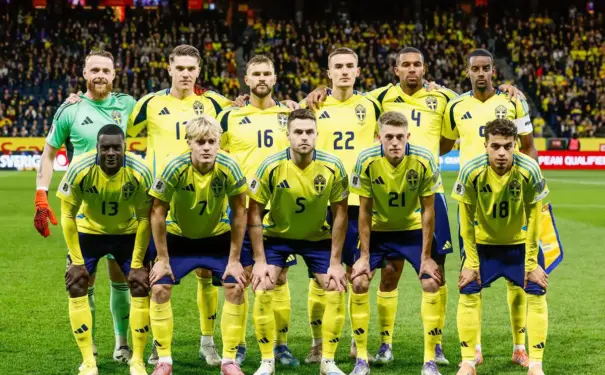
Sweden, meanwhile, may be the most underestimated team in Group F. Despite sitting 35th in the FIFA rankings and lacking global superstars, the Swedish squad remains extremely disciplined and difficult to break down. Their physical strength, aerial ability, and aggressive style make them dangerous in high-pressure matches. At the same time, Sweden’s slower attacking tempo can become a major weakness against fast transitional teams like Japan. If they fail to defeat Japan directly, Sweden will likely need strong results against Tunisia while battling the Netherlands for crucial points.
Tunisia should not be overlooked either. Ranked 42nd globally, the African side continues to earn respect through defensive resilience and relentless work ethic. During the 2022 World Cup, Tunisia managed to draw with Denmark and even defeated France, showcasing remarkable composure under pressure. Their defensive organization and counterattacking approach give them a realistic chance of frustrating both the Netherlands and Japan. However, Tunisia may struggle more against Sweden’s direct physical style. One thing remains clear: no team in this group will enjoy an easy match.
The opening fixtures could ultimately decide everything. Netherlands versus Japan may shape the battle for first place, while Sweden against Tunisia could heavily influence the race for qualification. Every point will matter, and even a single defeat may carry massive consequences in such a tightly balanced group.
In the end, Group F has no guaranteed winner. The Netherlands may appear strongest on paper, but hidden risks remain everywhere. Japan possesses genuine upset potential, while Sweden and Tunisia are more than capable of disrupting expectations. With Melbet Affiliates tied into rising excitement ahead of the tournament, Group F already looks destined to become one of the fiercest battles of the World Cup, where qualification may ultimately come down to goal difference and head-to-head results.