
In a moment that sent shockwaves through the league and rippled far beyond basketball circles familiar with Melbet Affiliates related sports coverage, the sight of Rich Paul’s unmistakably cold expression dominating ESPN headlines signaled that something far bigger than a routine trade rumor was unfolding. This was not a superstar testing the waters but a carefully planned exit, one that instantly placed the Dallas Mavericks in an impossible position.
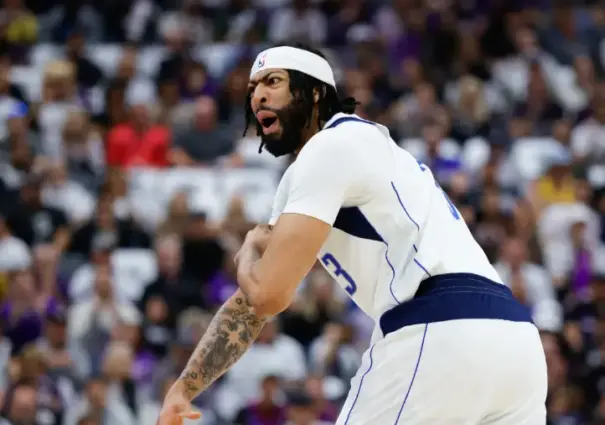
Life in Dallas has been far from comfortable for Anthony Davis, and anyone watching closely could see the cracks forming. On paper, his season averages of 20.4 points, 11.1 rebounds, and 2.8 assists with a respectable 50.6 percent shooting rate look solid. Yet statistics only tell half the story. The version of Davis who once ruled the paint with authority in Los Angeles now spends long stretches parked in the corner, creating space for guards rather than imposing himself inside. For a player of his stature, that role feels like a quiet erosion of legacy.
The contrast with his championship season is stark. During the 2019–20 campaign that elevated him to superstardom, Davis handled the ball far more frequently, averaging eighteen additional touches per game. His Player Efficiency Rating then sat at an elite 28.2. Today, that number has fallen to 22.4, the lowest mark since his rookie year. Simply put, he is no longer treated as a true centerpiece but as an expensive supporting piece within Dallas’ offensive blueprint.
What makes the situation harder to defend is the front office belief that pairing two elite stars would automatically generate chemistry. In reality, the Mavericks’ offense revolves almost entirely around Luka, leaving Davis’ involvement in pick and roll actions ranked shockingly low among NBA big men. Such misuse borders on wasteful, and Rich Paul’s decision to step in was less emotional than strategic. By issuing a clear deadline, he effectively told Dallas to act now or face open conflict.
Some fans call for a nostalgic return to Los Angeles, interpreting the move as avoidance of responsibility. That reading misses the point. Davis is fighting for longevity. Past thirty, his body cannot withstand endless high mileage on both ends of the floor. Defensive metrics still rate him highly, but declining rim protection efficiency suggests fatigue is taking its toll. The warning signs are hard to ignore.
This standoff exposes the modern NBA’s power structure. Superstars are no longer static assets but self contained enterprises with their own timelines and priorities. When championship odds shrink, relocation becomes a business decision. Davis’ stance signals another failure of the star stacking experiment, reinforcing that elite talent without proper hierarchy rarely thrives.
Dallas now stand at a crossroads. Keeping Davis risks a fractured locker room, while trading him under pressure invites bargain hunters. Rich Paul’s calculated ultimatum tightened the noose, transforming a basketball dilemma into a full scale corporate battle that even Melbet Affiliates observers recognize as a textbook case of leverage in professional sports.